A Truth Many People Dismiss: Competence Isn't the Same as Contentment
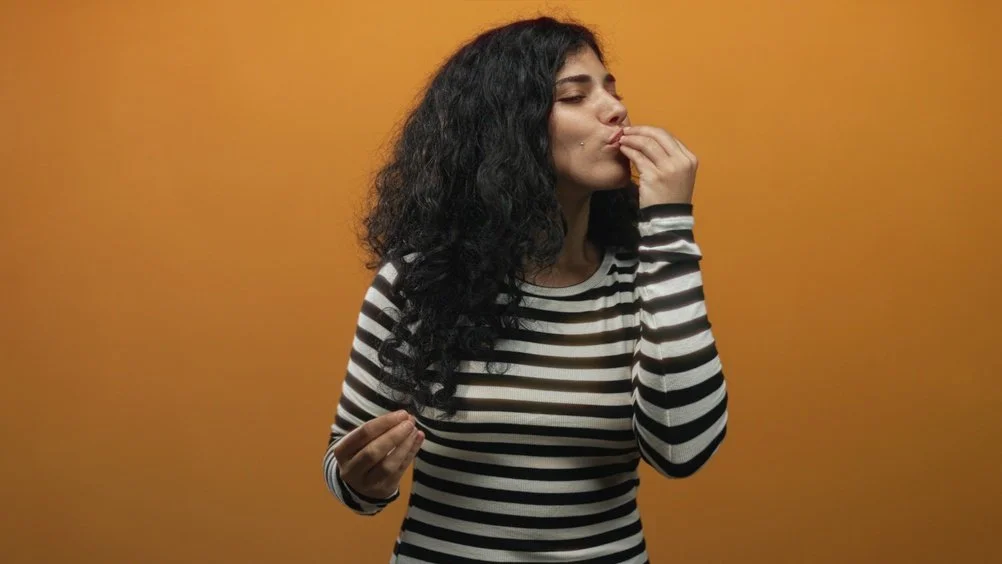
Do you have that friend who you believe has it “all the way together”?!
I mean everything about their life feels like a chef’s kiss: the perfectly matched spouse or partner; at the pinnacle of their career; financial stability and wealth you aspire to have and enjoy.
I know I do.
And while I know their life and profession are not challenge free, there are moments when I find myself wondering: what am I missing?
The conclusion I’ve come to is what I’m missing are details about their lives and experiences — details I may never be privy to. And my lack of access to that information in no way diminishes the depth of our relationship and connection.
This is one of the aspects of friendships I felt was on full display in the Amazon Prime series, “Ride or Die.” The show is a perfect example of what we know about the people we love mixed in with a combination of what we presume and what we have absolutely no clue about.
Similarly, the same applies to them with regard to us.
What’s really interesting to me, though, is this: the types and quality of the questions we ask the other person are largely shaped by what we presume and don’t know — which means there are likely so many “givens” that are totally wrong.
In the series, Debbie is the one who looks like she has it together — Yale Law, book club, holding the family together. So, she reads as "the responsible one." And because she’s the person who appears most financially put-together, she is also often the one who's never asked what she actually wants. Heck, sometimes she doesn’t ask herself this question!
Her storyline is an excellent example that competence and contentment aren't the same thing.
Makes me think about the number of times we conflate competence and contentment.
You see your friend handling their money well — paying bills on time, staying consumer debt-free, hitting savings goals with ease, and, despite the stock market’s ups and downs, feeling pleased with their long-term investment strategy. Or, maybe it’s your business-bestie who just crossed the 7-figure threshold.
And you’re in your bubble thinking, they “have it together” on paper — and you assume that means they’re at peace with their results. But the competence required to bring these about is a skill. Contentment is a relationship. You can have one without the other.
I’ve coached plenty of people who are excellent at the mechanics of money and business — the budgeting, the tracking, the forecasting, the “closing” — and yet still find themselves unfulfilled.
They built a system so airtight they forgot to ask if it’s a system they actually want to be living and working in.
And because they’re competent, nobody thinks to ask. Including sometimes, them.
That’s the trap Debbie’s storyline points to: when you’re the one who “has it together,” people stop checking in on you. Your competence becomes a kind of camouflage. You’re so good at holding the picture together that no one — maybe not even you — stops to ask what’s underneath it.
Who’s the “Debbie” in your life — the one who immediately came to mind as you were reading and who looks like they’ve got it all figured out? When’s the last time you asked them how they actually feel about the life they’ve built, instead of just admiring how well they’ve built it?
Or, perhaps I’ve struck a chord for another reason: you’re “Debbie” and have mistaken being good at something for being happy with it. If this is true, what would it take for you to share your feelings with someone you trust?
Financial competence will get you a tidy spreadsheet. Business competence will get you a strong pipeline of prospects and clients. They won’t necessarily get you a life you’re glad to be living. Only honesty gets you that.
More on this next week — Judith’s turn.
About Jacquette

I love to ask questions and spark aha moments. I love to talk about why success with money is about more than just the numbers, and how the cultural impact on the intersection of money, business, and life matters–A LOT! And, I really hope I help people feel seen, heard, and not judged—especially since money is emotional and personal.